
Etiquettes Of The Masjid
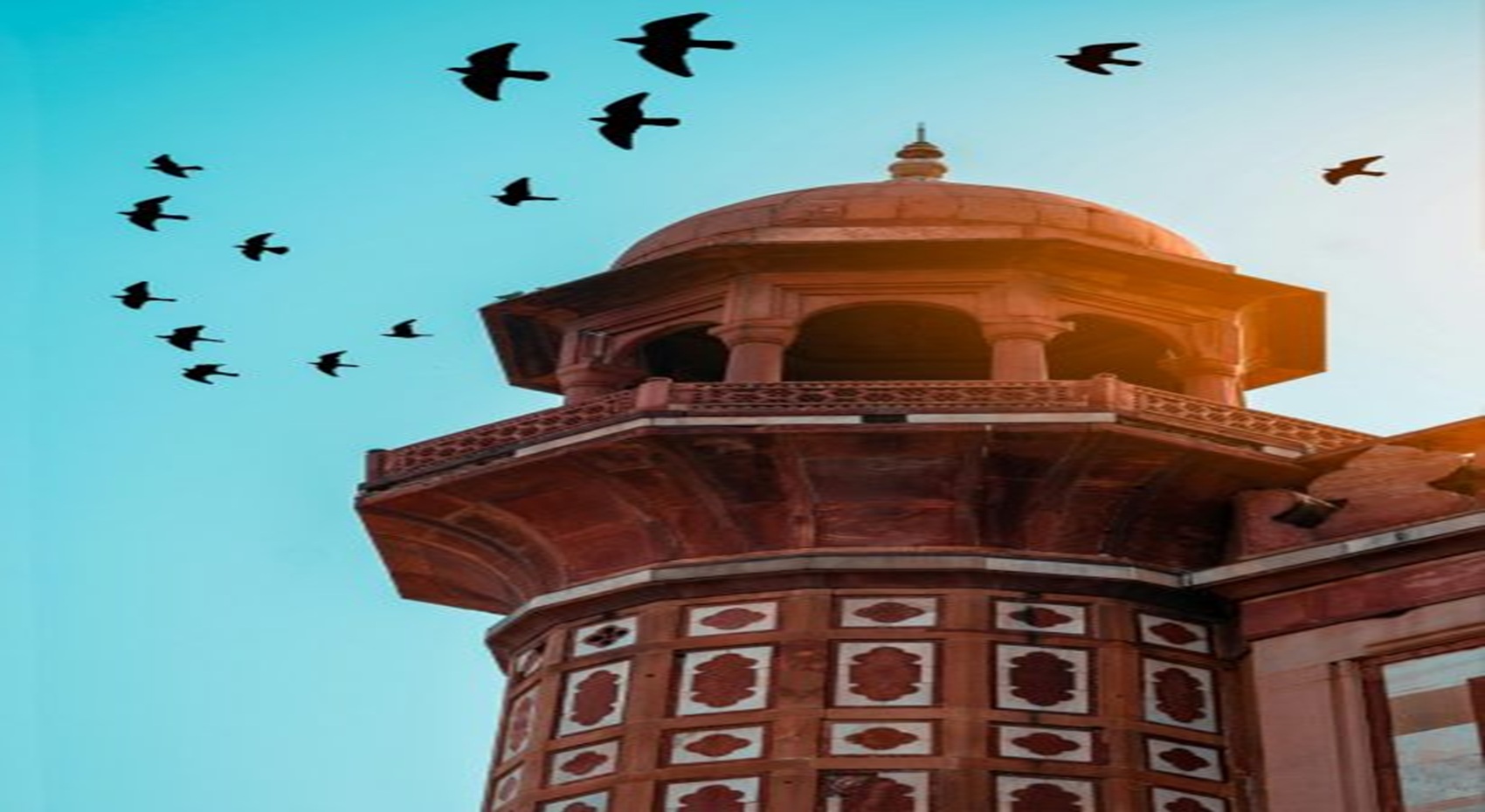
Masjid etiquette emphasises humility, cleanliness, and peaceful presence, including entering with the right foot and reciting a specific supplication, maintaining a quiet voice, turning off or silencing mobile phones, dressing modestly, and not walking in front of those praying. Inside, one should be engaged in the remembrance of Allah, not in conversation, selling, or other distractions, and be considerate of others in the sacred space.
Masjids serve as the sacred places of worship for Muslims, and it is essential for every Muslim to cultivate a desire to attend the Masjid for prayer. Engaging in this practice not only fulfills a religious obligation but also brings immense rewards, as highlighted in the Hadith: “Whoever goes to the Masjid or returns from it, Allah will prepare a place for him in Jannah with each visit.”
Respecting the Houses of Allah Subhanahu Wa Ta'ala Meaning : Status and Etiquette
Masjids serve as the sacred places of worship for Muslims, and it is essential for every Muslim to cultivate a desire to attend the Masjid for prayer. Engaging in this practice not only fulfills a religious obligation but also brings immense rewards, as highlighted in the Hadith: “Whoever goes to the Masjid or returns from it, Allah will prepare a place for him in Jannah with each visit.
The respect for the masjid is rooted in the reverence for Allah’s symbols, as the Quran states: “And whoever honours the symbols of Allah—indeed, it is from the piety of hearts.” (Surah Al-Hajj 22:32).
- Most Beloved Places:
- A Sanctuary:
- Allah's Guests:
- Reward for Attendance:
- Purity and Cleanliness:
Furthermore, the Prophet Muhammad (peace be upon him) emphasised the spiritual benefits of preparing oneself for prayer. For every step taken towards the Masjid after performing ablution, a sin is forgiven, and a degree of reward is granted. Additionally, those who actively support and maintain the Masjid will be among the seven categories of individuals who will find refuge under the shade of Allah SWT on a day when no other shade will be available.
Islam Teaches Us That There Are Certain Etiquettes That Should Be Observed And Implemented When Coming To The Masjid.
- Perform Wudu (ablution) thoroughly before leaving home, as this is a recommended Sunnah.
- Wear clean, modest, and appropriate clothing (as per Quran 7:31). Clothes should be loose-fitting and cover the awrah (parts that must be covered).
- Ensure good personal hygiene. Avoid attending after consuming anything with a strong, offensive odour like raw garlic, onions, or leeks, as this disturbs other worshippers and the angels.
- (For women) It is advised to avoid wearing strong perfume or excessive adornments.
A congregational prayer is performed to ask God for pardon and mercy for the deceased. This prayer is a collective obligation and is ideally performed in a courtyard or open space, not necessarily inside a mosque.
- Foot and Supplication:
- Enter with the right foot first.
- Recite the Sunnah supplication for entering: “Allahumma iftah li abwaba rahmatika.” (O Allah, open for me the doors of Your mercy).
- Greeting the Mosque (Tahiyyatul Masjid):
- Do not sit down until you have prayed two rak'ahs (units of prayer), unless it is a prohibited time for prayer or the congregational prayer has already begun.
Conduct and Focus:
- Maintain silence and tranquility. Avoid loud talking, idle chatter, or disruptive behaviour that might disturb those praying, reading Quran, or reflecting.
- Avoid discussing worldly business (buying, selling, or trade) inside the prayer hall.
- Turn your mobile phone off or put it on silent mode.
- Keep the masjid clean and tidy. Do not leave trash, food, or drinks behind
- Try to fill the front rows first.
- Do not cross directly in front of a person who is praying.
- Avoid making noise that disturbs others, even when reciting the Quran individually (unless you are teaching).
- Avoid stretching your legs toward the Qibla (direction of prayer).
- Do not jump over the shoulders of people who are already sitting to move forward in the rows
Foot and Supplication:
- Leave with the left foot first.
- Recite the Sunnah supplication for leaving: “Allahumma innee as-aluka min fadlika.” (O Allah, I ask You from Your favour/bounty).
The Prophet Muhammad (peace be upon him) said:
"Whoever builds a mosque for Allah, Allah will build for him a house like it in Paradise." (Sahih al-Bukhari) This promise applies even to those who contribute a small amount, as the intention and sincerity are paramount. The reward is promised even for building a mosque "like a sparrow's nest or even smaller."
As long as the mosque stands and people pray, recite Quran, learn, and remember Allah within it, the reward for every good deed performed there goes back to the one who built or contributed to its maintenance.
The Quran emphasises that maintaining the Masajid is the sole domain of true believers:
"The mosques of Allah are only to be maintained by those who believe in Allah and the Last Day, and establish prayer and give zakah and fear none but Allah." (Surah At-Tawbah 9:18)
Etiquette for Children in the Masjid.
It is a Sunnah practice to bring children to the masjid to accustom them to prayer and the environment, but it requires balanced guidance from parents and patience from the congregation.
The Prophet (peace be upon him) did not bar children. There are famous narrations where he prolonged his prostration because his grandchildren, Hasan and Husain (may Allah be pleased with them), climbed onto his back, and he didn't want to rush them. He also shortened his prayer upon hearing a baby crying, out of compassion for the mother.
- The key is to teach them the sanctity and rules of the masjid from a young age (even if it's just practicing at home first).
- Explain that the masjid is not a place for running, loud playing, or yelling.
- Ensure they use the bathroom and perform Wudu before entering.
- Keep them close during prayer to prevent them from disturbing others.
Worshippers should be patient and gentle with children and their parents, as children are the future of the Ummah (global Muslim community) and need to be nurtured in the love of the masjid.
Get In Touch
Do You Have Question ? Let's Talks
The Prophet’s life and example (Sunnah) are incredibly important for Muslims today, offering guidance on everything from prayer and morality to trade, family life, and governance.

We ensure our content is reviewed and verified by qualified scholars to provide you with the most accurate information.


Listen To Our Mosque Podcast
Proud to be serving hundreds of Muslims in Surrey