




Death of a Muslim
In Islam, a Muslim’s death is the beginning of the soul’s journey to the afterlife, marked by a funeral service (Janazah) and burial as soon as possible after death. The body is ritually washed, shrouded in white cloth, and buried in a simple grave facing Mecca, with cremation being forbidden. The community performs the funeral prayer to seek pardon for the deceased, and burial is often within 24 hours.
Before Death :
Recitation of faith: Family members may help a dying person to remember God by reciting the Shahada (declaration of faith) or verses from the Quran, such as Surah Yasin).
Reminders of good deeds: The dying individual may be reminded of their good deeds to reinforce hope and seek forgiveness.
After Death :
Washing and Shrouding: The body is washed by close family members or friends in a ritualistic manner, often in a special facility. It is then shrouded in three to five layers of simple white cloth (known as kafan).
Funeral Prayer (Salat al-Janazah): A congregational prayer is performed to ask God for pardon and mercy for the deceased. This prayer is a collective obligation and is ideally performed in a courtyard or open space, not necessarily inside a mosque.
Burial: Burial must happen as soon as possible, preferably within 24 hours of death, for both practical and religious reasons.
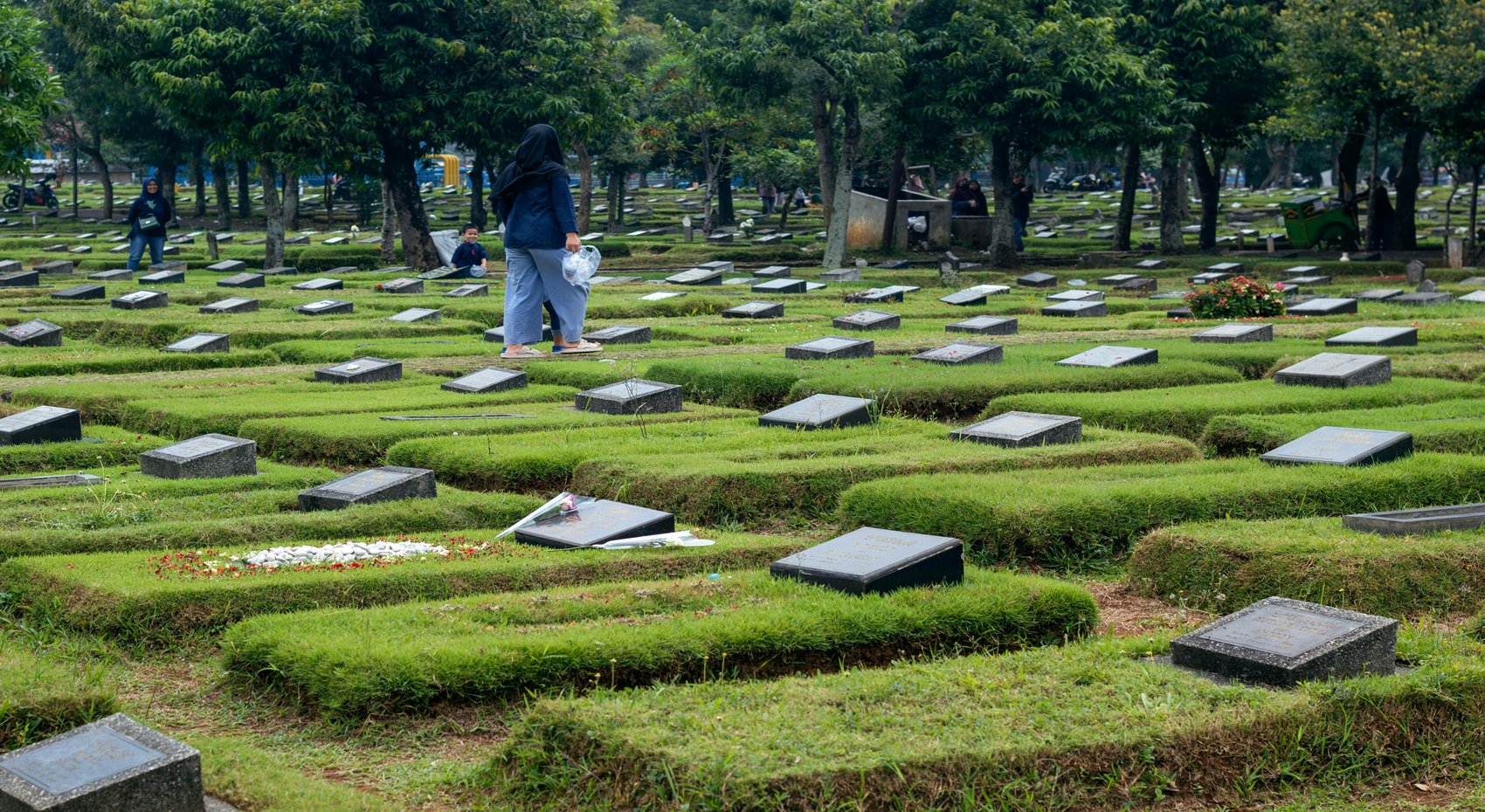
Cremation is forbidden; the body is placed directly into the earth. The grave is dug in a way that allows the body to be laid on its right side facing Mecca. Graves are kept simple, with only a small marker, not elaborate monuments.
Community Response: The community offers prayers and support to the family of the deceased. Condolences are offered, often with reminders about the transient nature of this life and the mercy of God.
Here are some other important things to consider when thinking about preparing for death: :
3 deeds that continue after death :
Making an Islamic will:
What happens after death in Islam:
The Islamic tradition holds a lot of information on what happens to a human being after they pass away. Islam teaches that there is an afterlife, and that the life we live in this Dunya (world) is only temporary. Believers spend their entire lives worshipping Allah (SWT), the One God, and believe in the Prophet Muhammad (peace and blessings be upon him) as well as all of Allah’s messengers – our entire purpose is to worship Allah (SWT). Death, therefore, is the end of the test, and the beginning of the trial (the Day of Judgement) which will admit people to either Jannah (heaven) or Jahannam (hell).
The Day of Judgement (Qiyamah), a day that will last 50,000 years, is the day of accountability. On this day, all of humanity will be judged by their deeds and intentions by Allah (SWT) alone. It is not known to any living thing when the Day of Judgement will occur – not even the Prophets (peace be upon them all) knew.
There are 14 stages of the afterlife as outlined in the Qur’an and Sunnah, beginning from the moment one is buried. Here is an overview of the 14 stages of the afterlife:
- Barzakh: The Barzakh is the unseen realm, the barrier between life and death. The moment a person is buried, their soul is questioned by the two angels charged by Allah (SWT). Their soul remains in the Barzakh and awaits the day of judgement.
- The Trumpet: The Trumpet is blown by the angel Israfel at the command of Allah (SWT), it is blown twice.
- Apocalypse: The first blow of the trumpet begins the apocalypse and destroys all life, including Israfel himself.
- Resurrection: After a period known only to Allah (SWT), Allah (SWT) will then bring Israfel back to life first, and command him to blow the trumpet for a second time to resurrect all of humanity for the Day Of Judgement.
- The gathering: All of humanity will be resurrected from their graves, before being gathered on one level plain awaiting judgement from Allah (SWT) – the judgement begins.
- The book of deeds are given: Each person will be provided with their book of deeds.
- The accounting: Allah (SWT) will hold his slaves accountable for their good deeds and wrongdoings. He is the Most Just.
- The reckoning: The deeds of a person will be weighed on the scales, determining the course of their afterlife.
- The fountain of Kawthar: The water from this fountain is from one of the rivers of paradise. Here the Prophet Muhammad (peace and blessings be upon him) will be permitted to provide some of its water to the believers to quench their thirst.
- Sirat: The Sirat (bridge) crosses hellfire into paradise, and all of humanity are destined to walk it.
- Intercession: Here, many will ask the Prophets to beg Allah (SWT) for forgiveness on their behalf, in the hope that their intercession will be granted.
- Purgatory: Purgatory separates heaven and hell. Here, humanity will be diverted to their resting place.
- Hell: It is believed that even those who believed in Allah (SWT) and his messenger may be destined for hell for a short while to account for some of their sins.
- Paradise: Eventually, the resting place for all will be paradise, except for those who did not repent for their Shirk. There, all will enjoy peace and serenity, for eternity.