

Religious & Liturgical Events
Redhill Jamia Mosque Al-Mustafa is quite active, though they tend to announce specific dates for one-off events through their internal community channels (like WhatsApp, App, Facbook, X, and their notice board) rather than a public online calendar.
At Redhill Jamia Mosque Al-Mustafa, you can expect significant community gatherings and prayer services on these estimated dates. Please keep in mind that “moonsighting” can cause these dates to shift by a day.
Spiritual Development
Life Events & Community Support
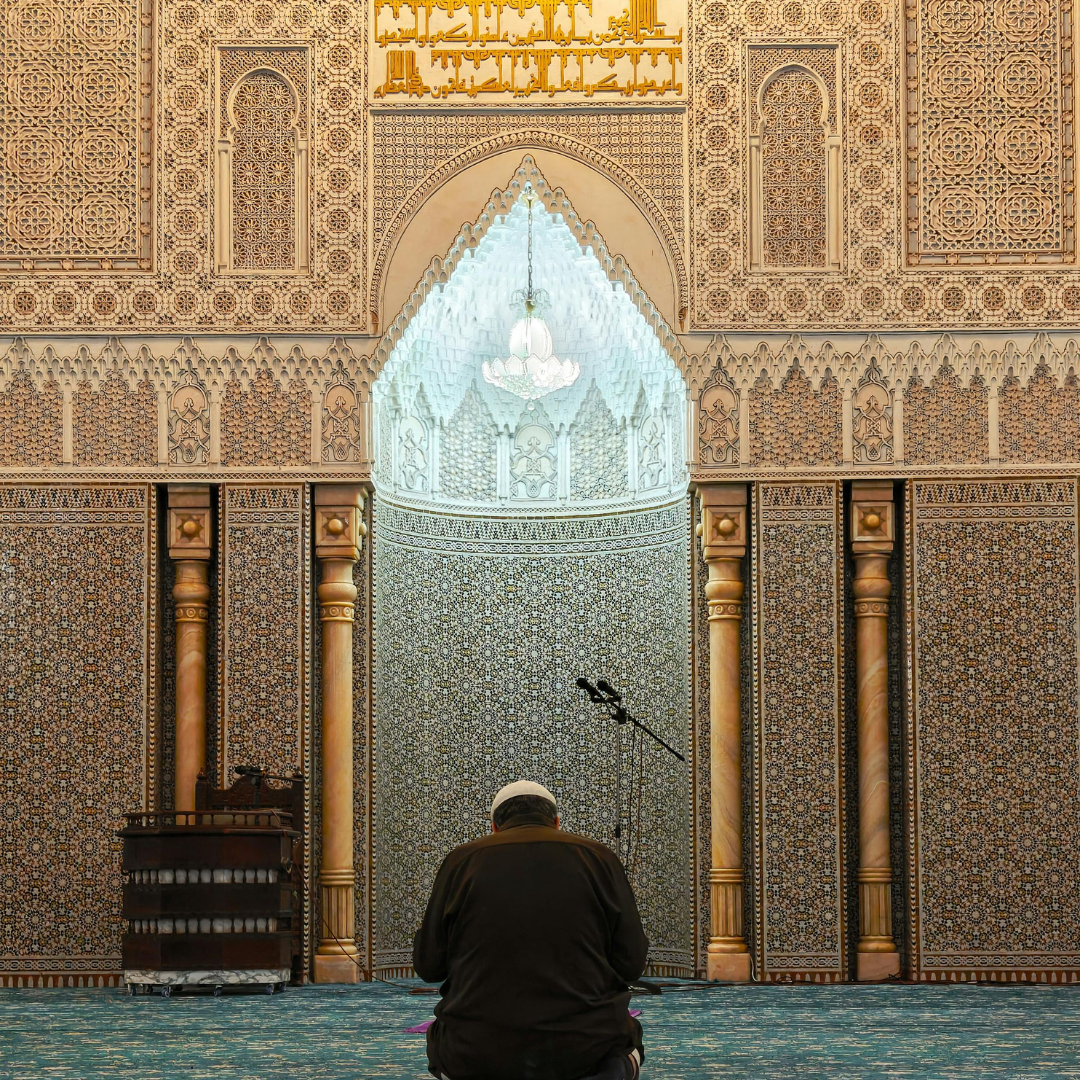
Jamia Al Mustafa (Redhill Jamia Mosque) is the central religious and social landmark for the Muslim community in the borough of Reigate & Banstead..
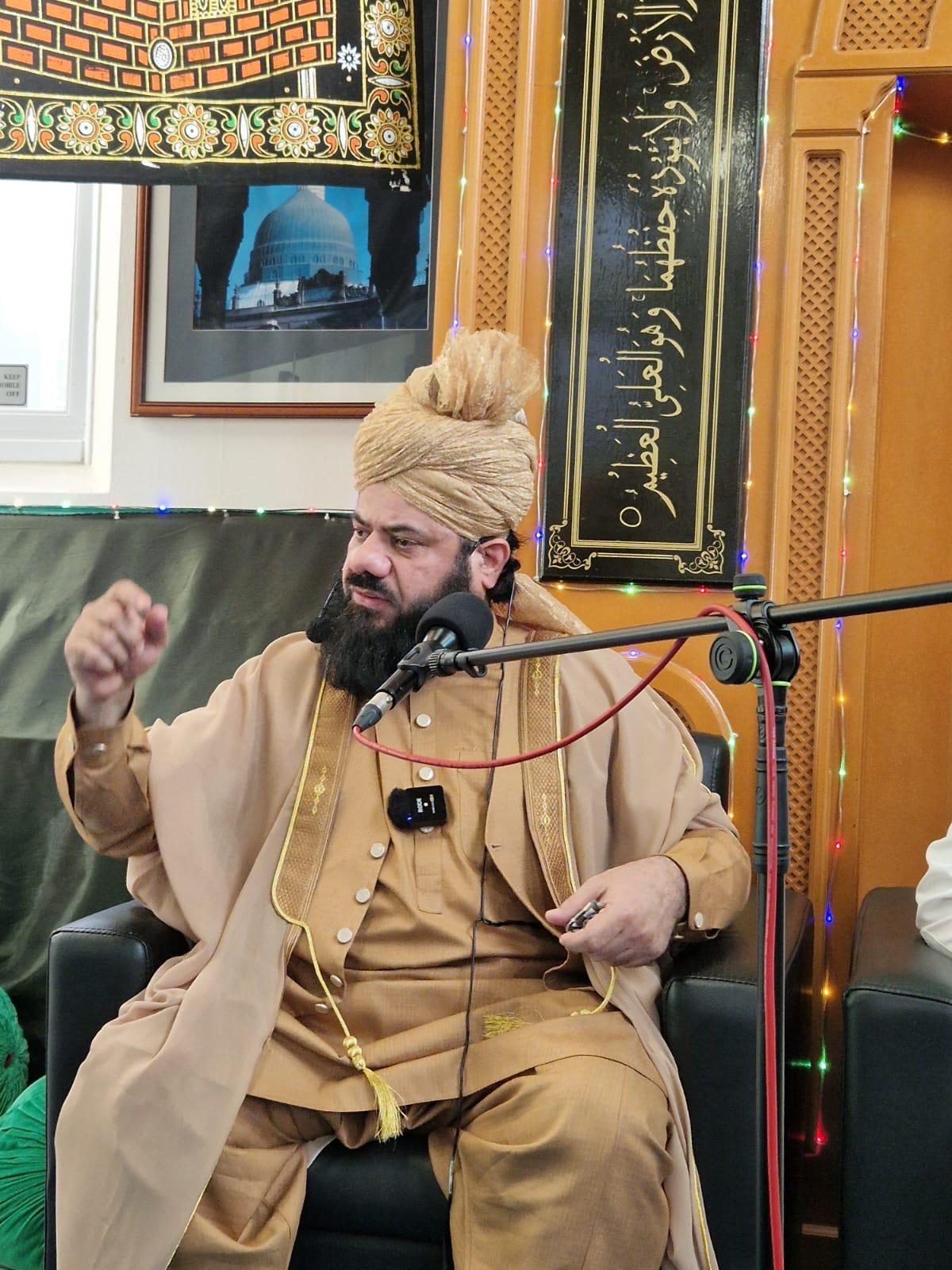
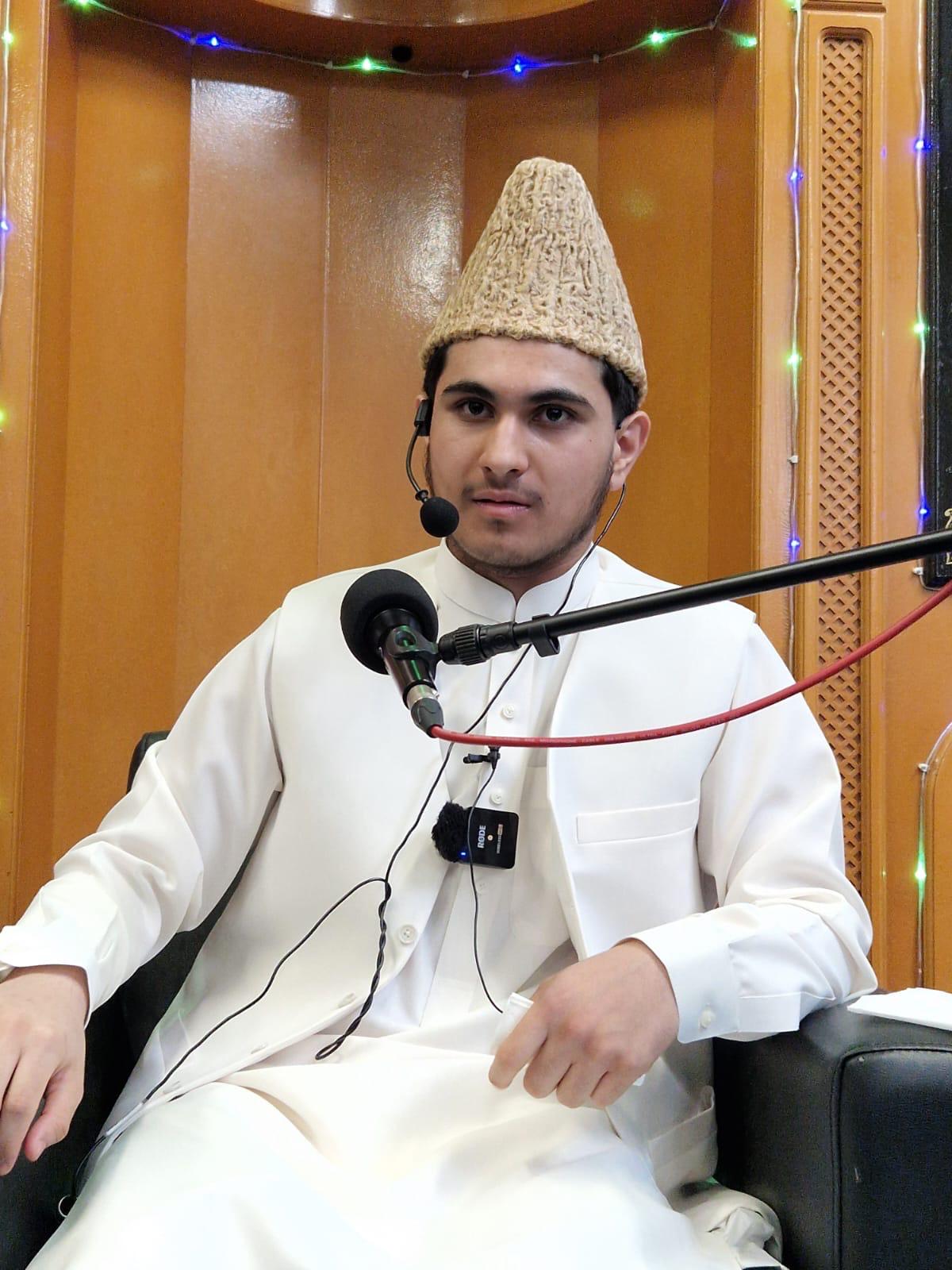
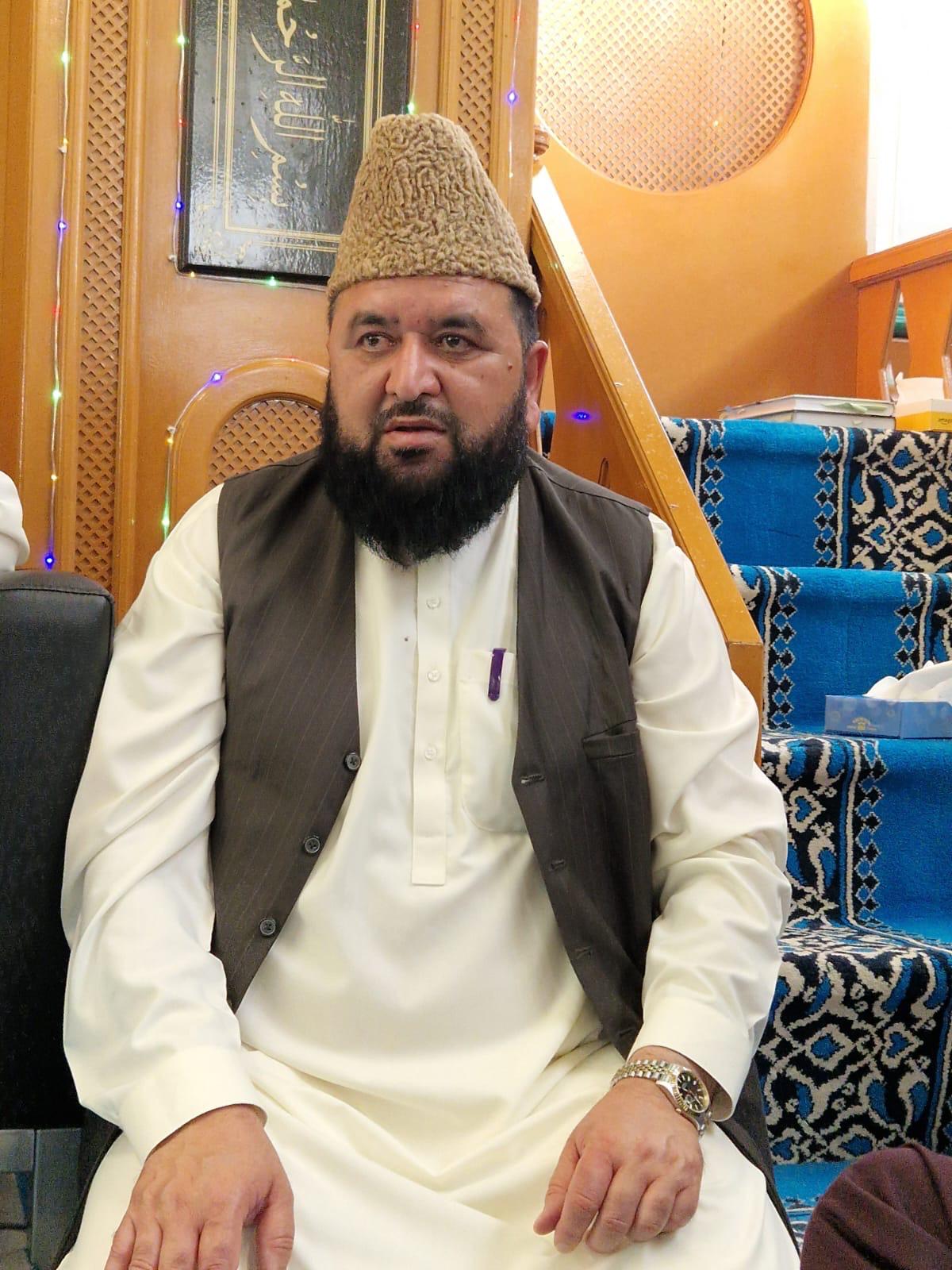
Assalamu Alaikum Warahmatullahi Wabarakatuh,
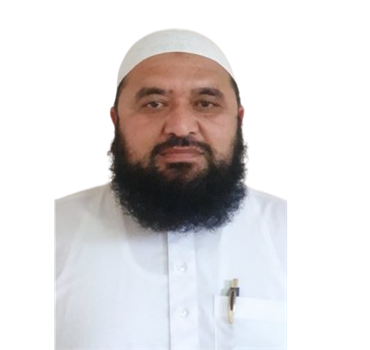
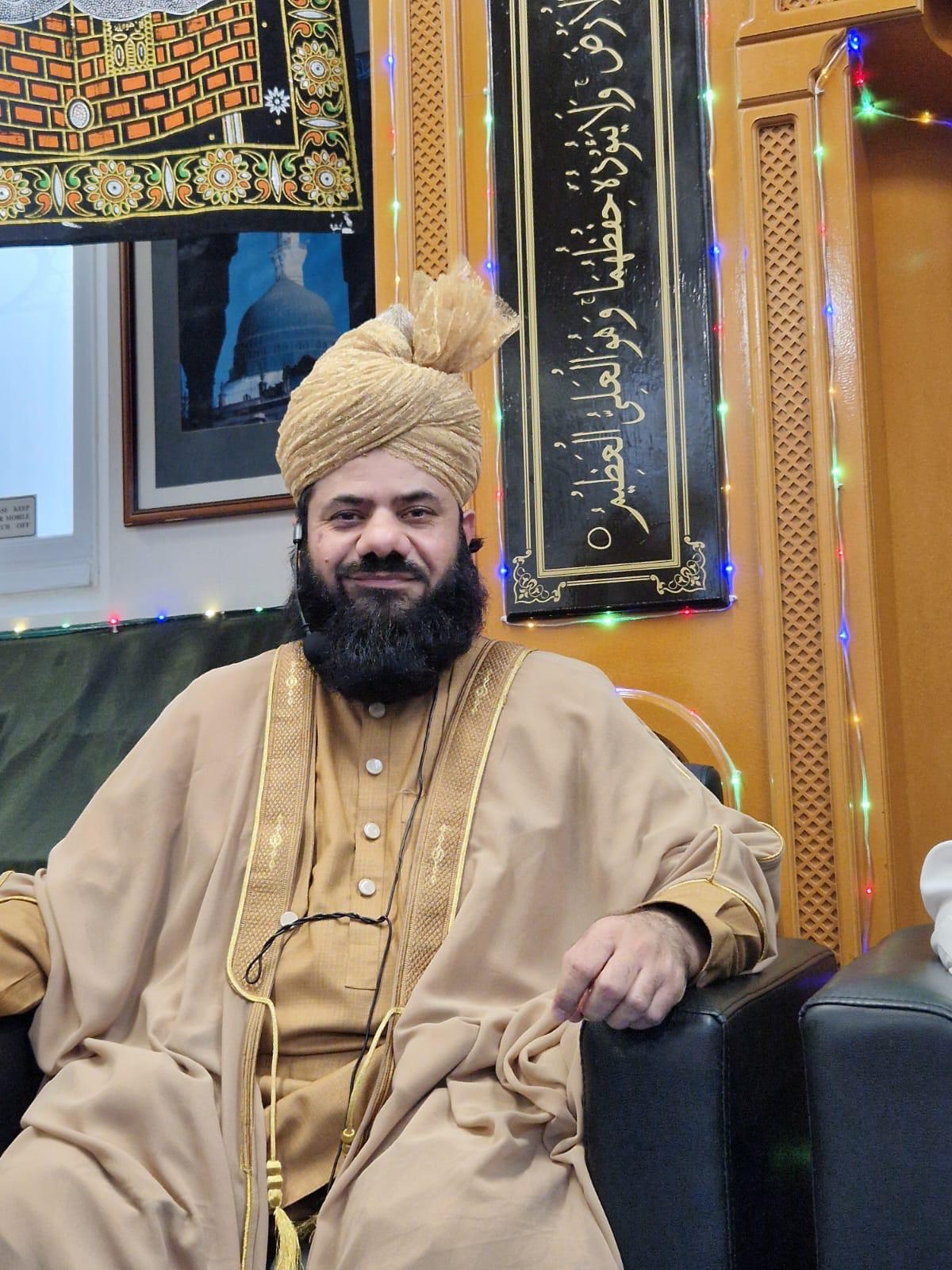
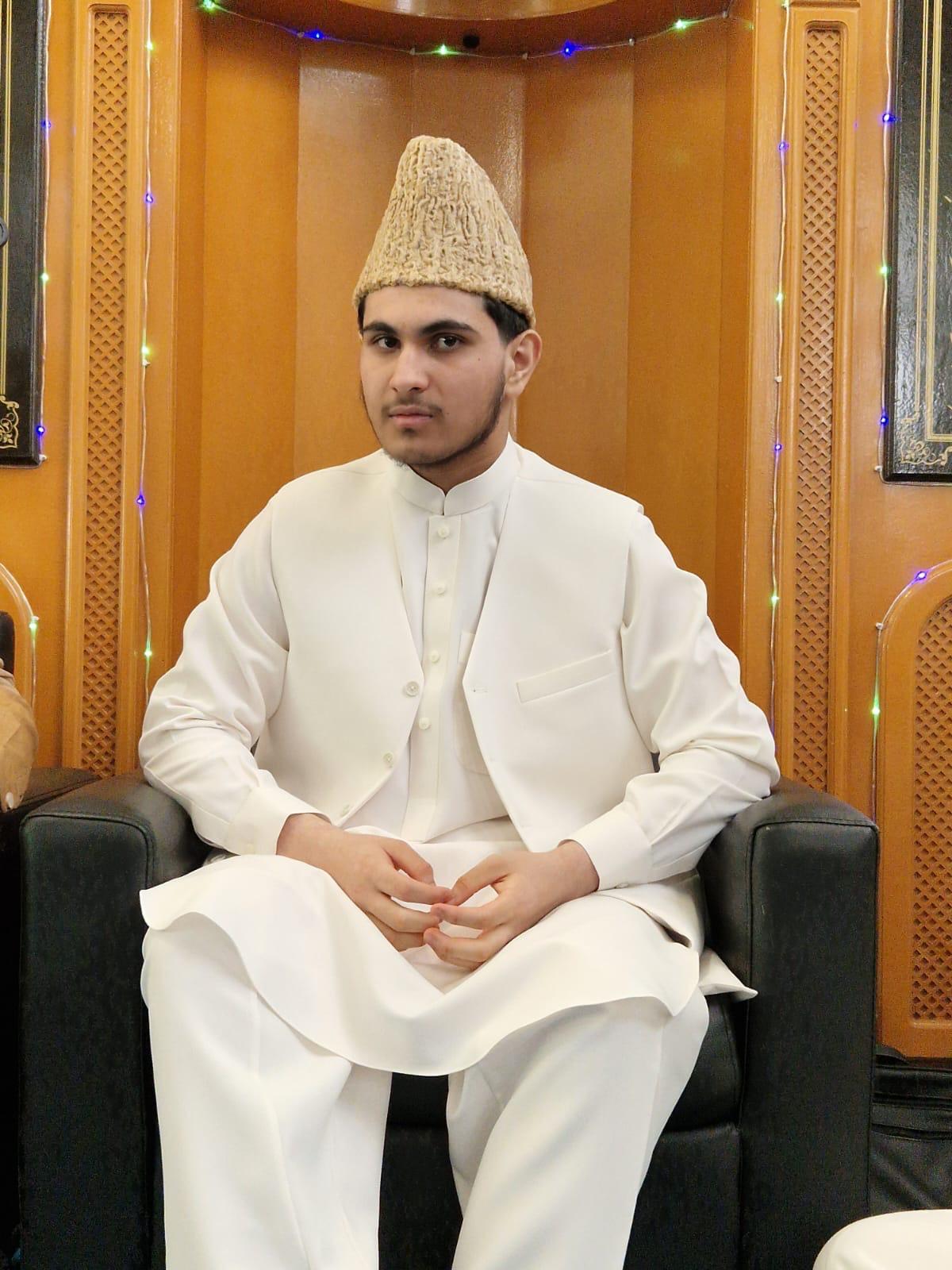
A Warm Welcome from the Head Imam
On behalf of the Redhill Jamia Mosque Al-Mustafa, I am delighted to welcome both our new and returning students, as well as their dedicated parents, to our Quranic studies program.
It is a joy and a blessing to welcome you to the educational heart of Redhill Jamia Mosque Al Mustafa.
Our mosque is more than just a building for prayer; it is a home for growth, a sanctuary for learning, and a foundation for the future of our children.
Our goal is to partner with you, providing a supportive environment where your children don’t just learn the words of the Quran, but carry its values—kindness, integrity, and discipline—into their daily lives. We are here to support you in nurturing the next generation of confident, compassionate Muslims.

Spiritual Learning With "Redhill Jamia Mosque Al Mustafa"
Every Monday and Tuesday evening, there are classes for adults looking to learn the language of the Quran.
Specialised circles on Tuesday and Thursday evenings for men and women to refine their understanding of Islamic law and Quranic pronunciation.
Islamic history isn’t isolated from the rest of the world. Understanding events like the Golden Age of Islam or the expansion of the Ummah connects them to, Critical Thinking: They learn to analyse different perspectives and understand the context of why certain decisions were made. Global Awareness: It gives them a better grasp of geography, world history, and how different cultures can coexist peacefully.
The mosque frequently hosts speakers who share success stories of sight restoration.
Dedicated Wednesday and Thursday morning sessions focusing on Quranic tafsir (interpretation) and needlework/socialising.
These programs aren't just for fun; they are specifically designed to help youth process complex social issues (like peace and tolerance) through creative expression.
The mosque is now fully integrated with Mosque App and WhatsApp. If you’re a local, you can download these apps to get real-time alerts for prayer changes and "pop-up" community announcements.
The Best Way to Pass on Knowledge !
Children (and adults) remember stories far better than lists of dates. Instead of saying “The Battle of Badr happened in 2 AH,” tell the story of the Sahaba’s bravery.
Use the Seerah (life of the Prophet ﷺ) to show his character in action—how he treated his neighbours, how he played with children, and how he stood for truth.
Islamic history is a masterclass in human behaviour. By learning about the lives of the Sahaba, youngsters learn how to handle complex emotions.
Creating Moral Role Models
Young people naturally look for heroes. If they don’t find them in Islamic history, they will find them in celebrities or fictional characters who might not represent the best values.
Bravery without Arrogance: They see figures like Ali ibn Abi Talib (RA) or Khalid bin Walid (RA), who were brave but remained humble servants of Allah (swt).
Generosity: They learn from Khadija (RA), who used her wealth and status to support a cause she believed in, teaching them that success is a tool for helping others.
2025 Grand Mawlid Nabi (صَلَّى ٱللّٰهُ عَلَيْهِ وَآلِهِ وَسَلَّمَ)
Listen To Our Mosque Podcast
Proud to be serving hundreds of Muslims in Surrey


Say Salaam