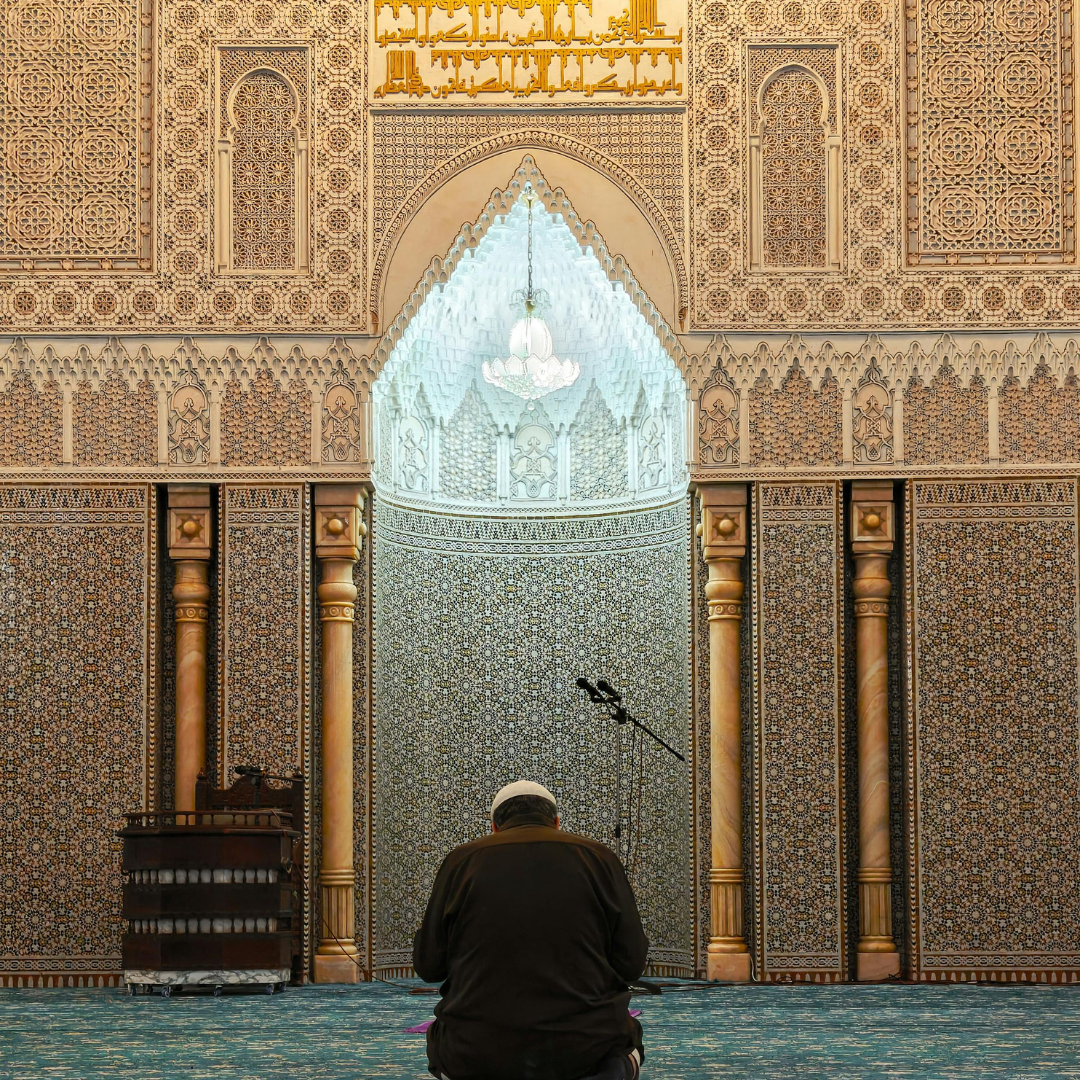
The Community-Focused Choice
Al-Mustafa Mosque Funeral Service Guide
Organising a funeral service at Redhill Jamia Mosque (Al-Mustafa) involves a few specific steps to ensure everything is handled with the proper care and religious observance.
Vestibulum odio quam, lobortis a est sit amet. Aenean dictum mauris eros, eu porta odio pharetra pharetra. Aenean mollis mattis justo non facilisis.
Organising a funeral service at Redhill Jamia Mosque (Al-Mustafa) involves a few specific steps to ensure everything is handled with the proper care and religious observance.
A Muslim funeral, or Janazah, involves quick preparation, including washing and shrouding the body, followed by collective prayers (Salat al-Janazah) led by an Imam, usually within 24-48 hours of death.
You should call the mosque management or the Imam as soon as possible. They have dedicated funeral coordinators who guide families through the logistics.
Before the burial can take place, you must register the death with the local registrar to receive the green form (Certificate for Burial or Cremation).
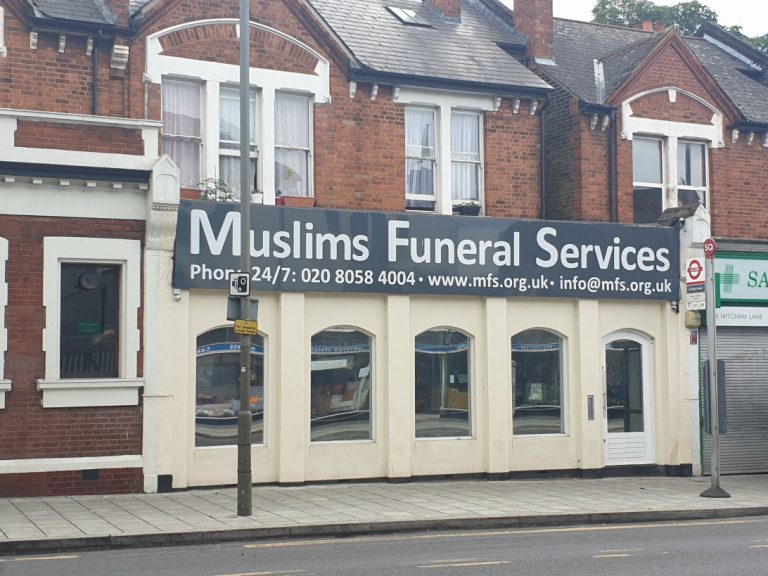
While the mosque handles the religious rites, you will likely need a Muslim funeral director to handle transportation and legal paperwork. The mosque usually has a preferred list of local directors they work with frequently Funeral Director
Address: 73 Mitcham Lane, Streatham, London, SW16 6LY Phone: +44 785 226 8014 Email: info@mfs.org.uk
They have dedicated facilities for the ritual washing and shrouding (Kafan) of the deceased.
The funeral prayer is usually held in the main prayer hall after one of the five daily prayers (often Dhuhr or Asr).
Providing the family with emotional support and instructions on Islamic burial etiquette.
Death is a very painful and emotional time which for many serves as a testing time. However with The correct attitude it can act as a means of hope and mercy. Muslims believe that death is the end of the life of this world, yet the beginning of the next. In essence the true life is yet to come as it is eternal. It is at this very moment that Muslims pray for Allah Subhanahu Wa Ta’ala mercy to be with the departed, in hope that they may find peace and happiness in the life to come.
When a Muslim is near death, those around him/her are called upon to give comfort, and reminders of Gods mercy and forgiveness. They may recite verses of the Quran, give physical comfort, and encourage the dying one to recite words of remembrance and prayer. It is recommended, if at all possible, for a Muslim’s last words to be the declaration of faith: “ I bear Witness that there is no God but Allah and Muhammad is his messenger.” (However it should be noted that this be done in a very soft manner without enforcing the declaration as it is possible that due to extreme discomfort, pain and disillusion from Satan that the dying individual responds harshly against advice.)
Upon death, those with the deceased are encouraged to remain calm, pray for the departed, and most importantly begin preparations for the burial of the body. The eyes of the deceased should be closed, and the body covered temporarily with a clean sheet. It is forbidden for those in mourning to excessively wail, scream, or thrash about. “Those who tear their clothes and beat their chests (in mourning) are not from us. “Grief is normal when one has lost a loved one, and it is natural and permitted to cry. When the Prophet Muhammad’s (pbuh) own son died, he said: “The eyes shed tears and the heart is grieved, but we will not say anything except which pleases our Lord. ” One should strive to be patient, and remember that Allah (SWT) is the one who gives life and takes it away, at a time appointed by Him. It is not for us to question His wisdom.
Muslims strive to bury the deceased as soon as possible after death, avoiding the need for embalming or otherwise disturbing the body of the deceased. An autopsy may be performed, if necessary (in accordance to the law of the land), but should be done with the utmost respect for the dead.

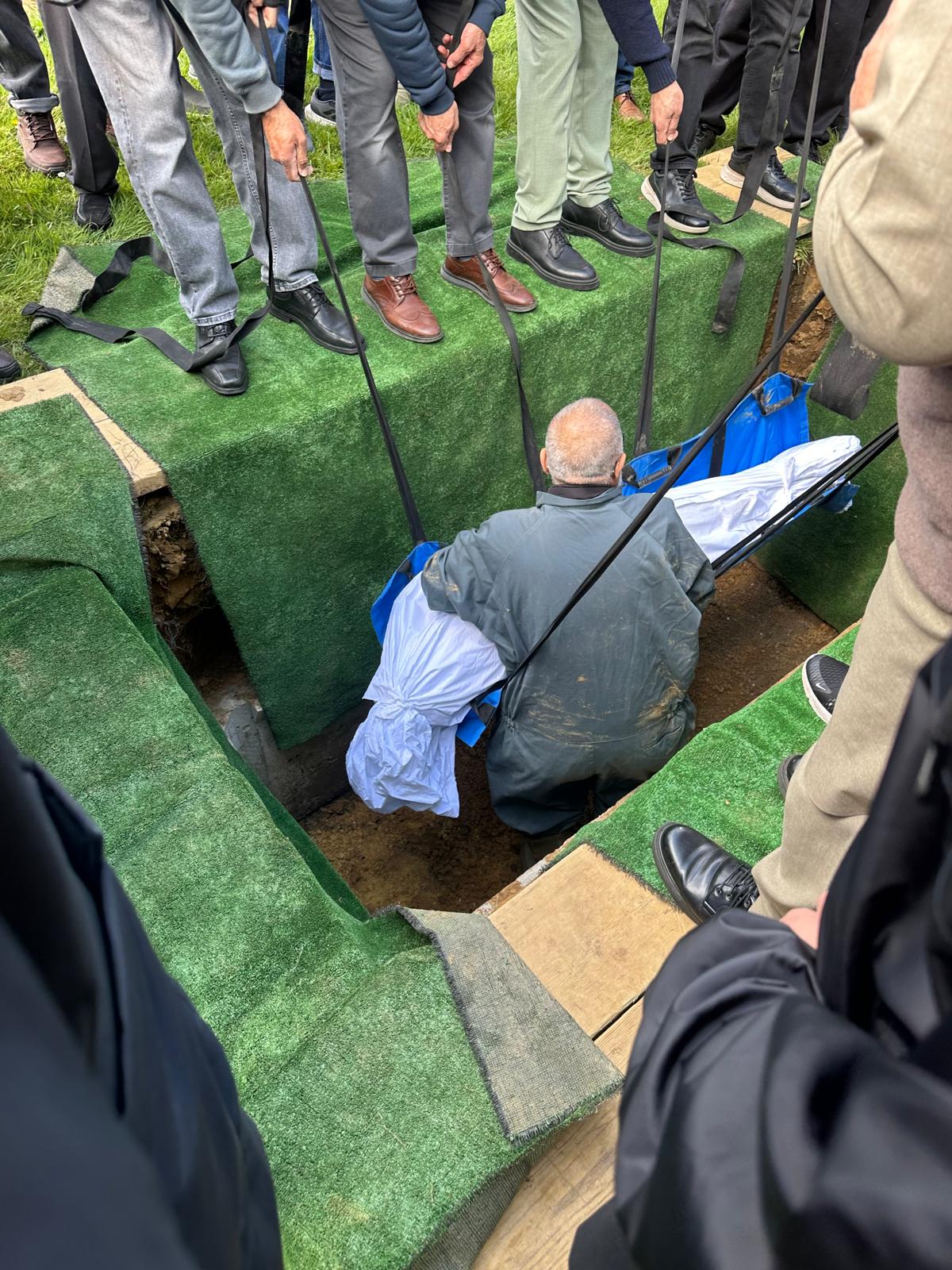
In preparation for the burial, the family or other members of the community will wash and shroud the body. The deceased will be washed respectfully, with clean and scented water, in a manner similar to how Muslims wash in the ritual bath. The body will then be wrapped in sheets of clean, white cloth (called a Kafan). Three sheets are used for men and five sheets for women.
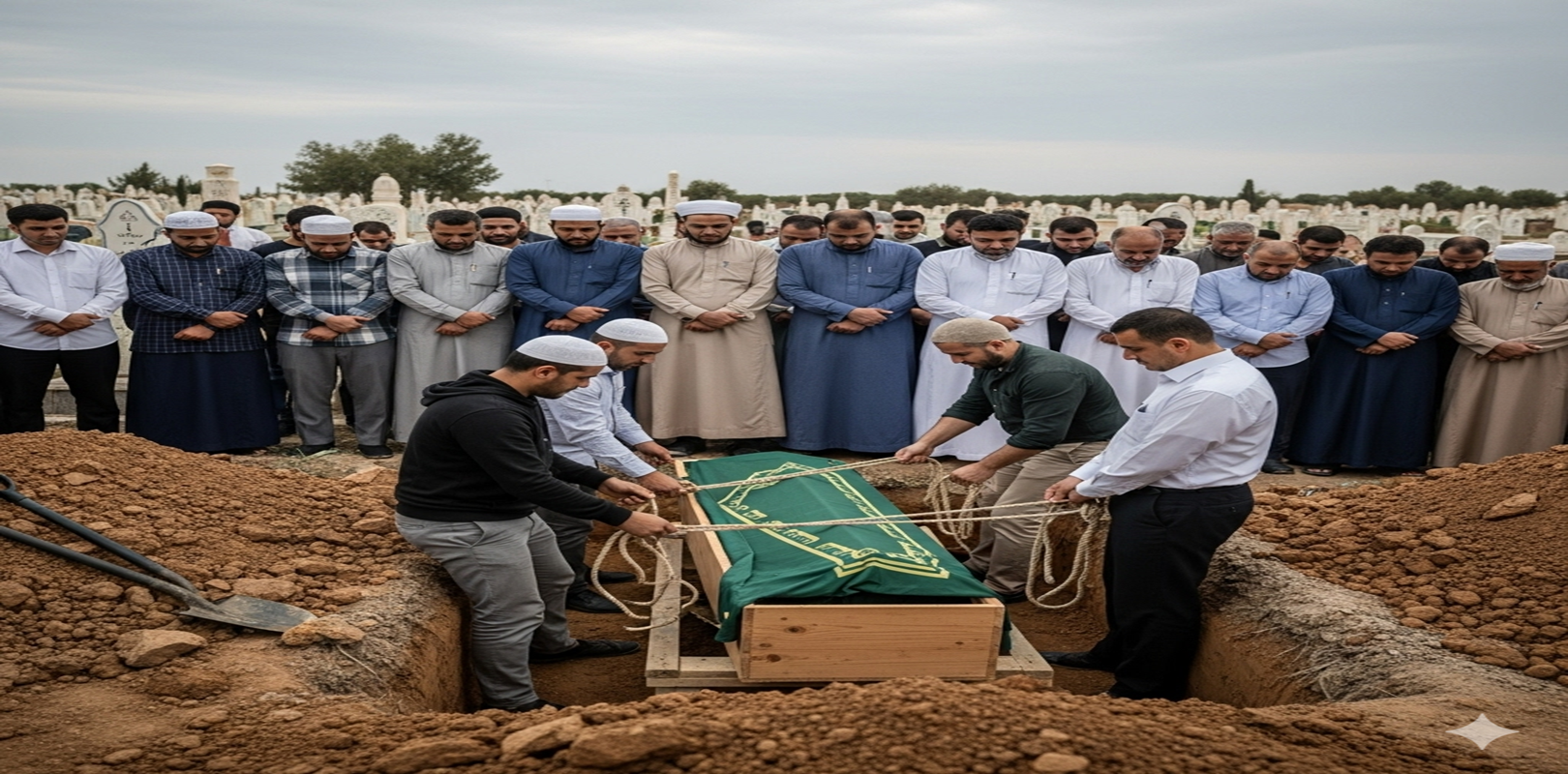
The Deceased is then transported to the site of the funeral prayers (Salat-l-Janazah). These prayers are commonly held outdoors, in a courtyard, public square or if need be inside the mosque. The community gathers, and the Imam (prayer leader) stands in front of the deceased, facing away from the worshippers. The funeral prayer is similar in structure to the five daily prayers, with a few variations e.g. there is no bowing or prostrations.
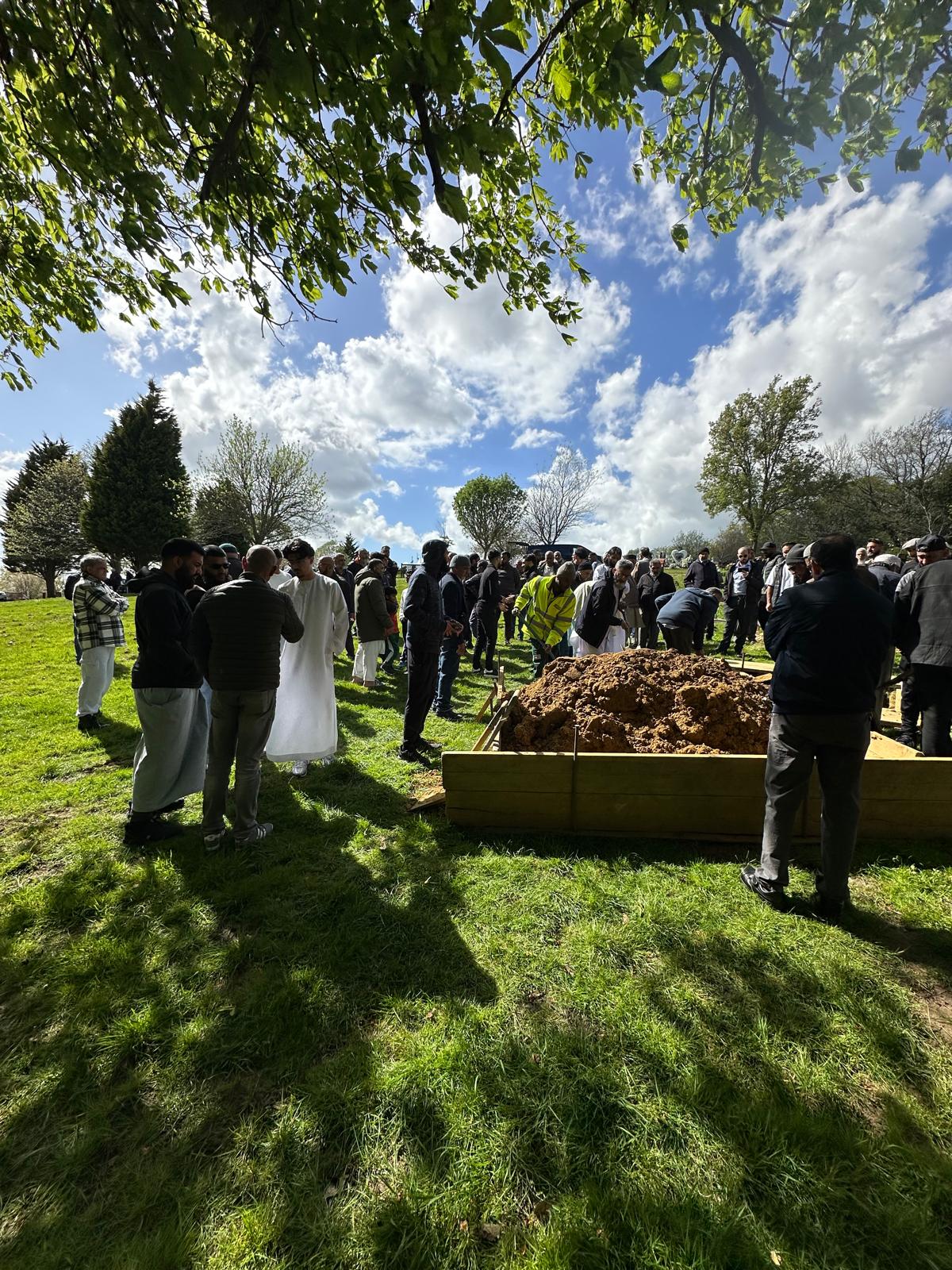
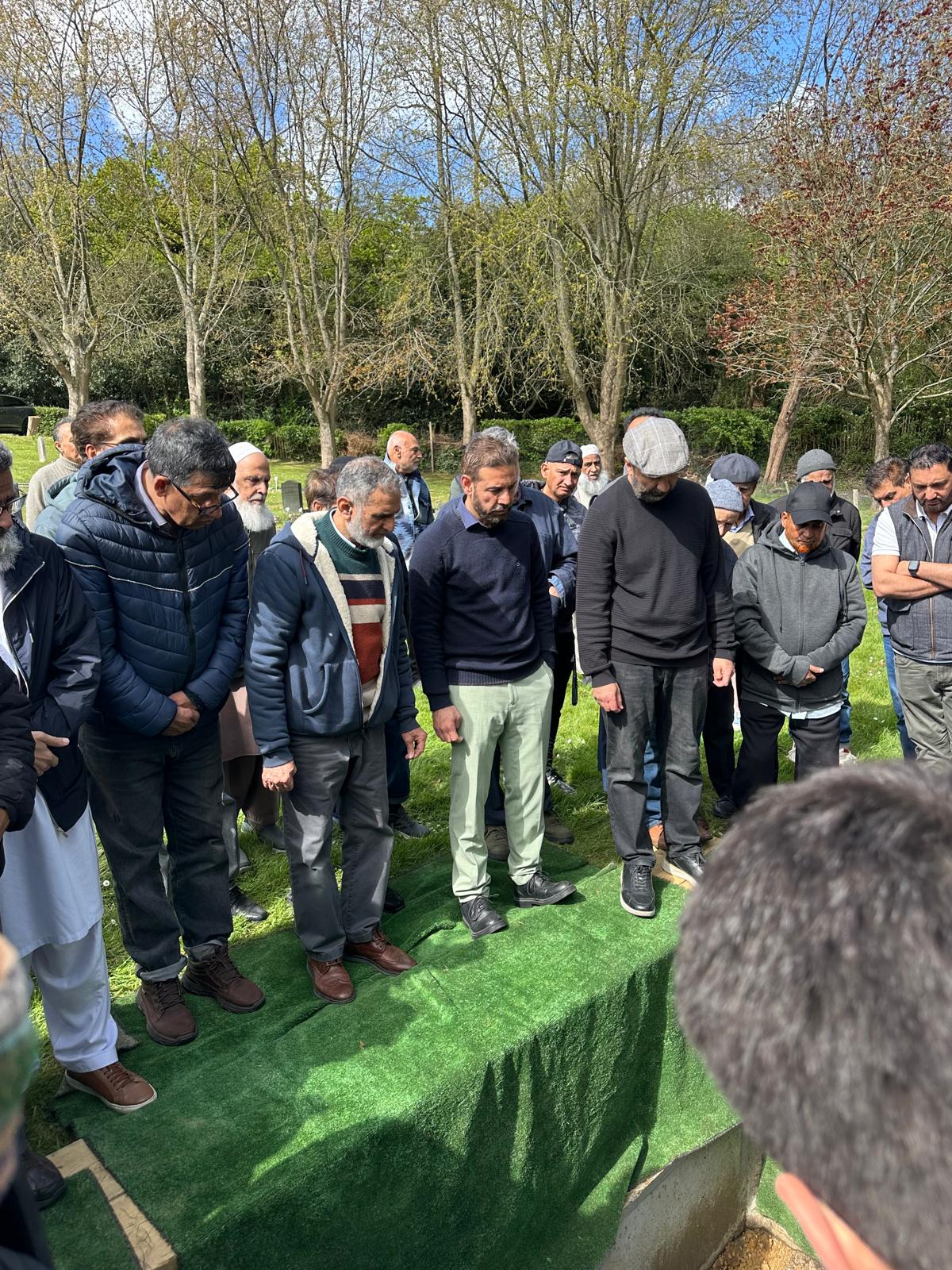
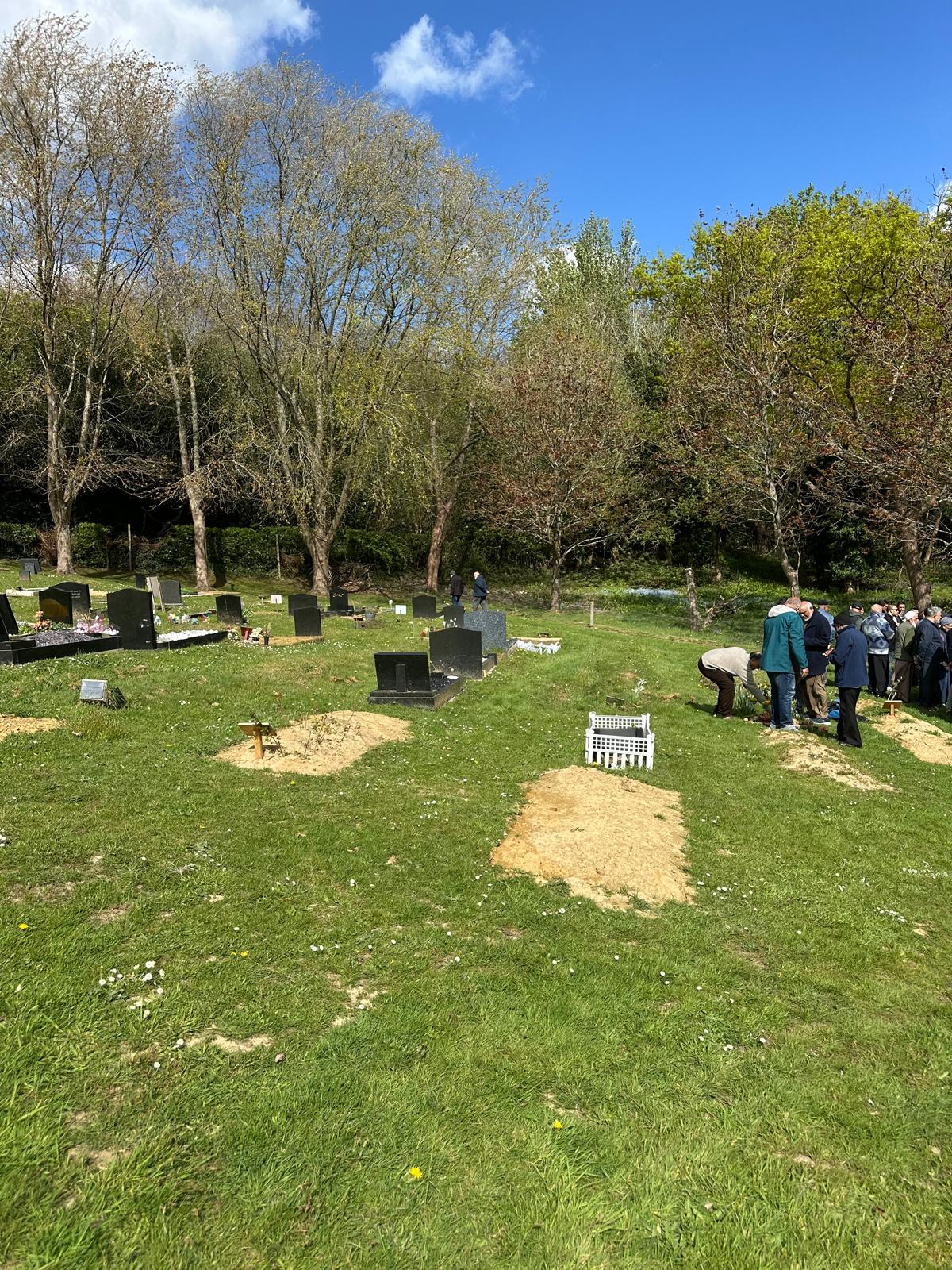
The deceased is then taken to the cemetery for the burial. While the members of the community attend the funeral prayers, only the men of the community accompany the body to the gravesite. It is preferred for a Muslim to be buried where he or she died, and not be transported to another location or country (Which may cause delays or embalming the body). If available, a cemetery (or section of one) set aside for Muslims is preferred. The deceased is laid in the grave (without a coffin if permitted by local law) on his /her right side, facing Mecca. At the gravesite, it is discouraged for people to erect tombstones, elaborate markers, or put flowers or other mementos. Rather, one should humbly remember Allah and His Mercy, and pray for the deceased.
Loved ones and relatives are to observe a 3- day Mourning period. Mourning is observed in Islam by increased devotion, receiving visitors and condolences. Widows observe and extended mourning period (Iddah), 4 months and 10 days long, in accordance with the Quran 2:234. During this time, she is not to remarry, move from her home, or wear decorative clothing or jewellery, It is equally important to note that cultural customs should be avoided in the burial rites e.g. Feeding on the 40th day, as only those acts of worship carried out on the behalf of the deceased my benefit him/her that are in accordance with the Quran and Sunnah.
When one dies, everything in this earthly Life is left behind, and there are no more opportunities to perform acts of righteousness not even single litanies. The Holy Prophet Muhammad (P.B.U.H) once said that there are three things however, which may continue to benefit a person after death: Charity given during life which continues to help others, Knowledge for which people continue to benefit, and a righteous child who prays for the deceased.
Address: Redstone Lodge, Philanthropic Rd, Redhill RH1 4DG Phone: 01737 276000 Email: cemeteries@reigate-banstead.gov.uk
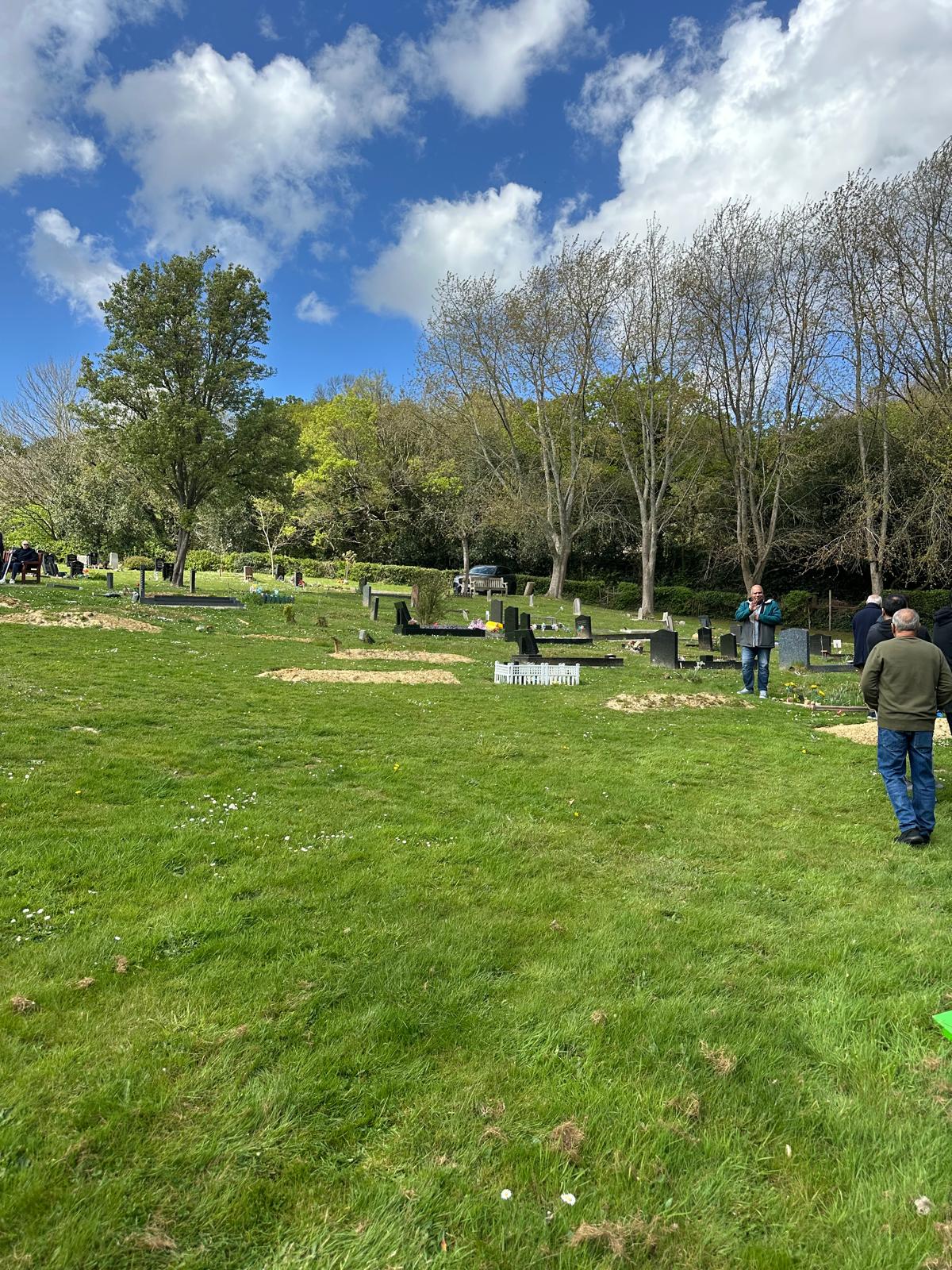
This cemetery has a dedicated Muslim section and is located nearby, making it the most common choice for those using the Al-Mustafa mosque.
Dedicated Section: Features a specific area oriented towards the Qibla for Muslim burials.
Traditional Options: Offers traditional earthen graves that allow for Islamic burial customs.
Note: Burial costs in the UK can vary significantly based on whether the deceased was a resident of the borough (Reigate & Banstead). Non-residents often face higher cemetery fees.
Address: 73 Mitcham Lane, Streatham, London, SW16 6LY Phone: +44 785 226 8014 Email: info@mfs.org.uk
When working with Redhill Jamia Mosque Al-Mustafa, the mosque staff typically handle the religious rites (Ghusl and Janazah), but you will still need a professional funeral director to manage the legalities, transportation, and the burial at the cemetery.
While the mosque doesn’t exclusively partner with just one director, the following are the most common choices for the local community:
Notify the Mosque First: Call the mosque (01737 760 251) to ensure the Ghusl (washing) facilities and the Imam are available.
Appoint the Director: Tell the funeral director that you are using Redhill Jamia Mosque Al-Mustafa for the religious rites.
Confirm the Grave: The funeral director will usually book the burial plot at Redstone Cemetery for you once you have the “Green Form” from the registrar.
This powerful verse from the Holy Qur’an (Surah Al-Ankabut 29:57) serves as a profound reminder of our journey and the temporary nature of this world. In times of loss, reflecting on these words brings both a sense of humility and comfort to the community at Redhill Jamia Mosque Al-Mustafa.
The Spiritual Significance
The Return: The phrase “Then to Us you will be returned” reminds us that death is not an end, but a transition back to the Creator. This is why the Janazah prayer is a collective duty (Fard Kifayah) for the community.
Patience (Sabr): In Islam, we respond to such news with “Inna lillahi wa inna ilayhi raji’un” (Indeed, to Allah we belong and to Him we shall return).
Honouring the Deceased: Because the soul is returning to Allah, the body is treated with the utmost dignity during the Ghusl (washing) and Kafan (shrouding) at the mosque.
Moving Forward with the Service
As you prepare to return your loved one to the earth at Redstone Cemetery, the Al-Mustafa mosque team views their role not just as a service, but as a religious obligation to support you.
“The eyes are shedding tears and the heart is grieved, and we will not say except what pleases our Lord.” — Our beloved Prophet Muhammad صَلَّى ٱللّٰهُ عَلَيْهِ وَآلِهِ وَسَلَّمَ
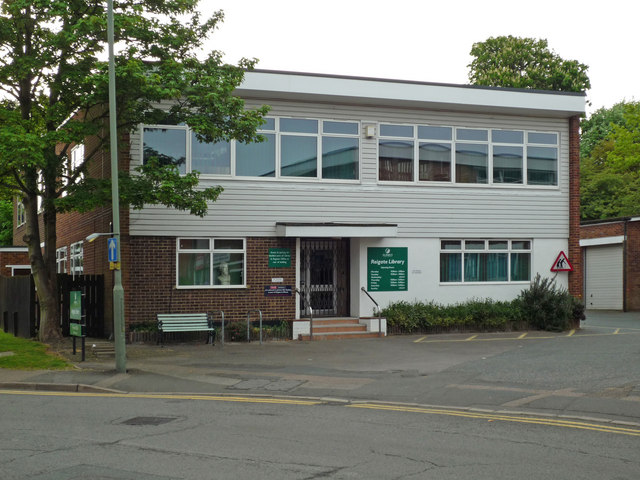
Address: Reigate Library, Bancroft Road, Reigate, Surrey RH2 7RP Phone: 0300 200 1002 Email: Contact.centre@surreycc.gov.uk
The Medical Certificate (MCCD)
Before you can register, a doctor or hospital must issue the Medical Certificate of Cause of Death.
Medical Examiner Review: A senior doctor (the Medical Examiner) will now review the cause of death. They will contact you to discuss it and then send the certificate electronically to the Registrar’s office.
Notification: You cannot book your appointment until the Medical Examiner’s office tells you that the registrar has received the paperwork.
2. Booking the Appointment
Once the paperwork is ready, you must book an appointment with the Surrey Registration Service. Since Al-Mustafa is in Redhill, you will likely use the Reigate office.
“And say: My Lord increase me in knowledge.” [Qur’an, 20:114] The seeking of knowledge is obligatory upon every Muslim [Hadith].
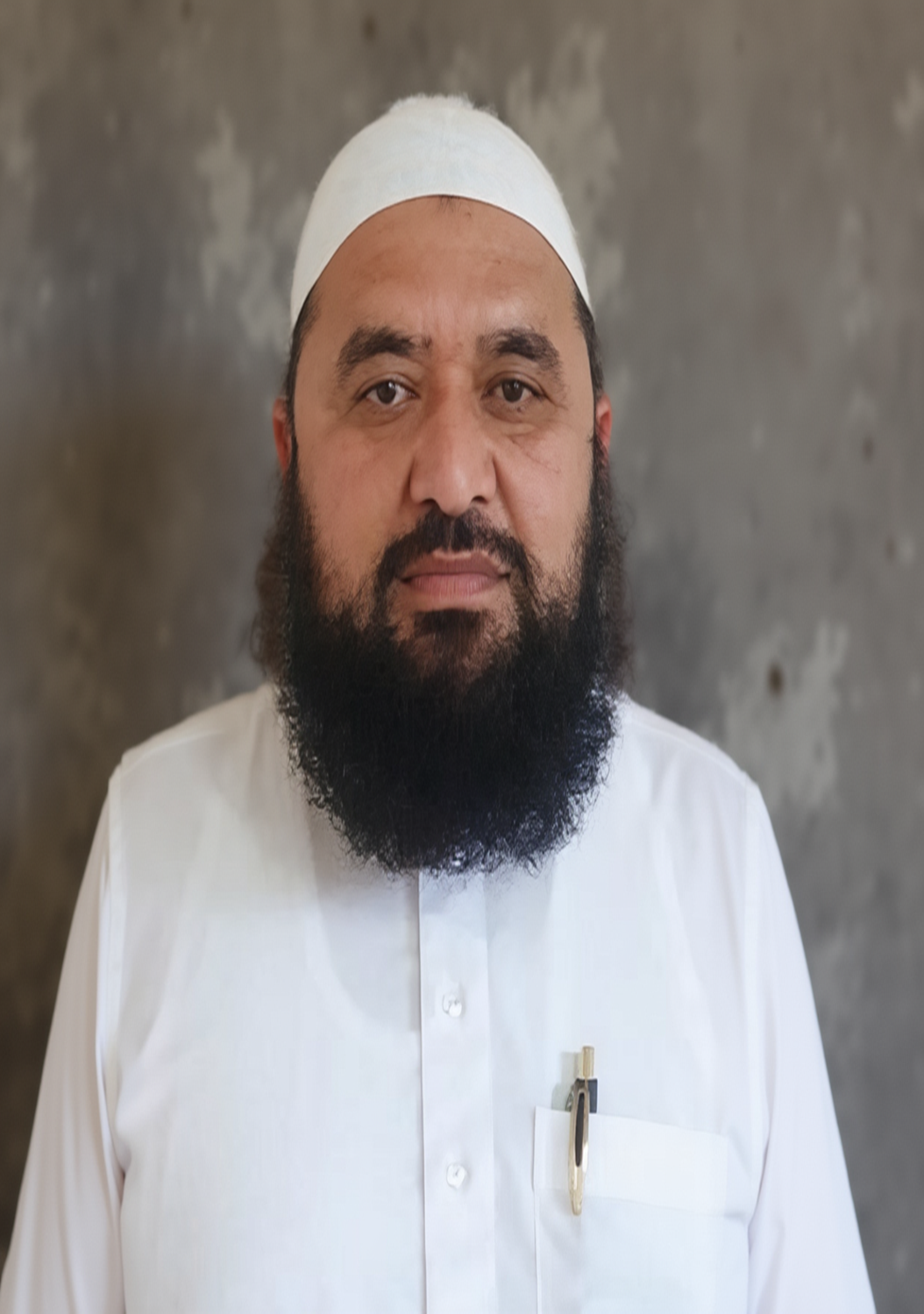
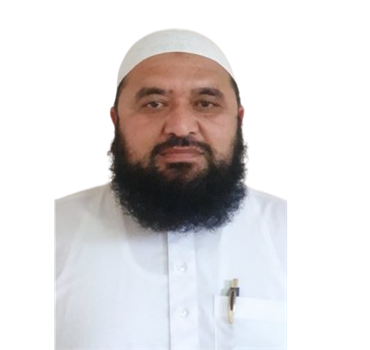
My door is always open, and our mosque is a place where curiosity meets wisdom. I invite you to reach out, participate in our Q&A sessions, or speak with me after prayers. Let us grow together in understanding and strengthen our bond with Allah (Subhanahu wa ta’ala) & our beloved Prophet Muhammad ﷺ …
Proud to be serving hundreds of Muslims in Surrey


Ramadan is anticipated to commence on the evening following Maghrib on Wednesday, February 18th, or Thursday, February 19th, 2026, contingent upon the moon sighting. Please download the app by simply typing 'Redhill Mosque' for more information.